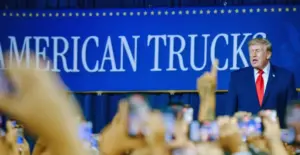
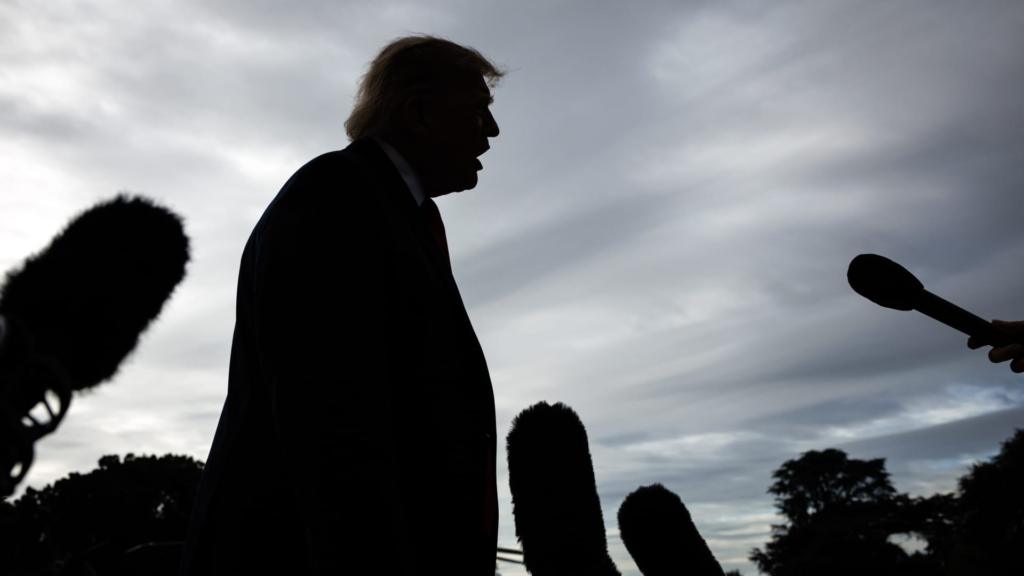
Federal authorities are facing intense pressure from both sides of the political aisle after a series of pro-Trump television advertisements, funded entirely by taxpayer dollars, began appearing across national networks just weeks before the midterm elections. The spots, which have already cost the government well over a million dollars, feature cinematic imagery and aggressive rhetoric, including claims that America will never become a communist country and reminders of historic tax cuts. While some commercials lean into patriotic themes set to melodic music, others take a sharper tone, with President Trump describing current political struggles as a final battle to liberate the country from villains.
The White House has dismissed concerns about the spending, characterizing the broadcasts as public service announcements meant to encourage patriotism and educate citizens on why the nation is worth defending. A administration spokesperson insisted the content is unapologetically patriotic rather than political. However, critics point out that the scripts mirror exact talking points currently being used by Republican candidates on the campaign trail. Some of the footage actually originates from digital ads produced for Trump’s previous presidential run, raising questions about how existing campaign materials were transitioned into federally funded broadcasts.
Lawmakers are now questioning whether these ads violate strict federal prohibitions against using appropriated funds for propaganda designed to benefit specific candidates or parties. Senator Maggie Hassan expressed concern in a letter to Chief of Staff Susie Wiles, arguing that the project is little more than an expensive vanity exercise at a time when federal funds should be focused on lowering costs for everyday Americans. Members of the Appropriations Committees joined in the criticism, noting that government funding bills explicitly forbid expenditures for domestic publicity or propaganda without congressional authorization.
Surprisingly, the backlash has extended beyond Democratic circles to include voices within the president’s own party. Senator John Kennedy recently suggested during a televised interview that no public official should utilize government coffers to fund private promotional efforts for themselves. As Democrats hold a slight lead in recent national polls heading into November, the controversy adds another layer of tension to an already volatile election cycle where every single ad buy carries significant weight toward controlling both houses of Congress.